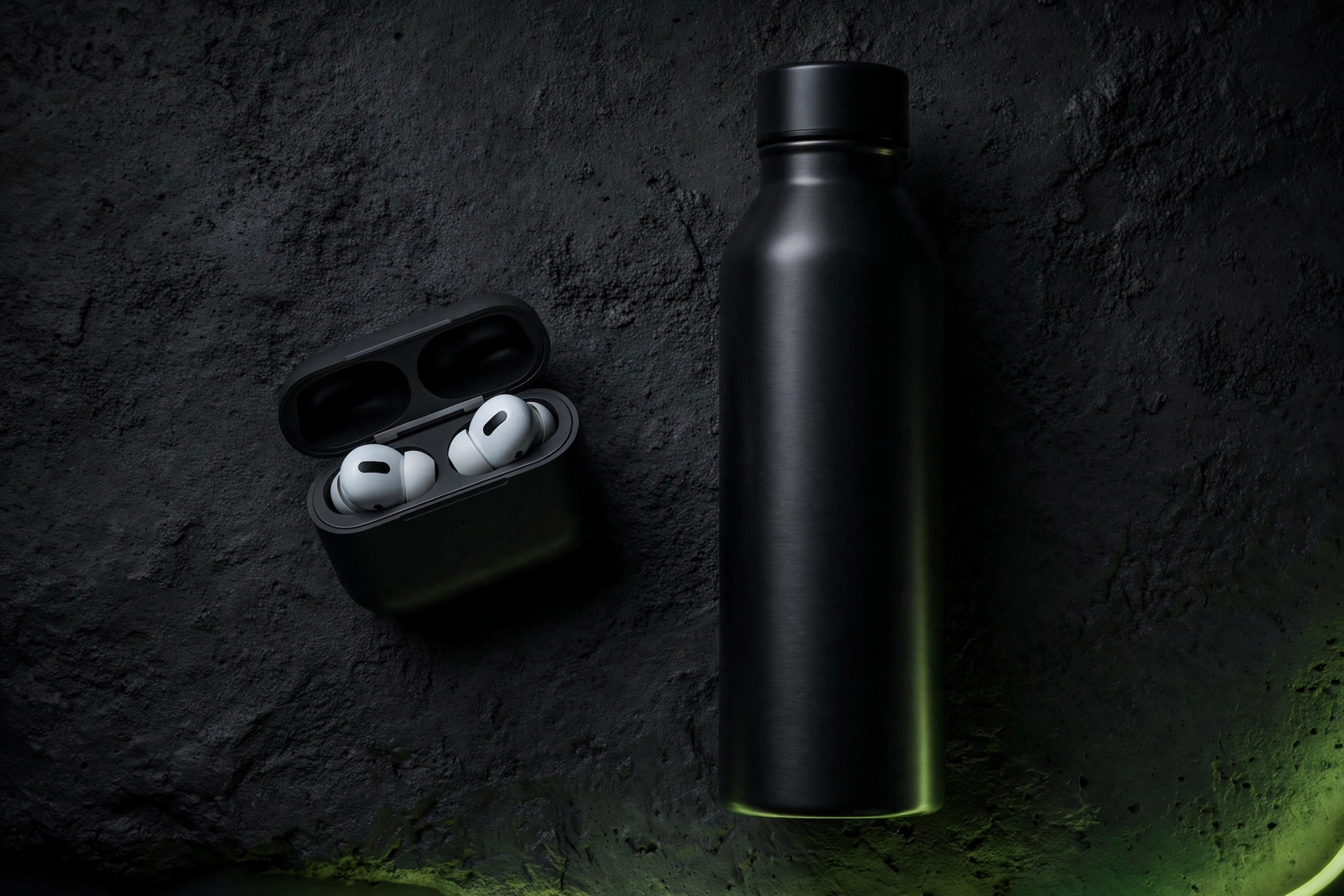
The water bottle is the most-used piece of gear in any gym, and the least thought about. This guide covers what actually matters: whether insulation is worth it, which cap style survives real training, what size matches your session length, and the unglamorous truth about the mold growing in your lid. Pick the right bottle once and stop thinking about it for years.
Insulated vs. plastic: pay for temperature or for simplicity?
Double-wall vacuum-insulated steel bottles keep water cold for hours — genuinely cold, even through a 90-minute summer session in a warm gym or a bottle left in a hot car. If cold water keeps you drinking more, that alone justifies the price: hydration compliance beats hydration theory. Insulated bottles are heavier and cost more, and they dent, but a dent is cosmetic on steel.
Simple plastic bottles are lighter, cheaper, and see-through, which means you can actually see when they need cleaning — an underrated feature. They won’t keep water cold, and the lightweight ones crumple and crack over time, but replacing a cheap bottle yearly is still cheaper than one premium insulated bottle. Where plastic loses badly is heat: a plastic bottle in a warm gym tastes like warm plastic by the second half of your workout. If you train somewhere warm or your sessions run long, insulation is the upgrade that matters most.
Cap types: straw, chug, and screw — ranked for training
Straw lids win for most gym training. You can sip mid-set without tilting your head back, which matters on a bench or during a circuit where you don’t want to break position. The downside: straws and their silicone seals are the number-one hiding place for mold, and they have the most parts to disassemble and clean.
Chug caps (the wide-mouth flip tops) are the speed champions — huge water flow for big gulps between heavy sets, and fewer parts than a straw. The tradeoff is sloshing: chug too eagerly and you’ll wear it. Screw caps are the simplest and most leak-proof, with almost nothing to break, but unscrewing a cap with sweaty hands mid-workout is genuinely annoying, and they’re the slowest to drink from. My practical take: straw for daily training, chug for heavy lifting days, screw for the car or the office. Buy the cap style that matches your messiest drinking habit, not your tidiest intentions.
Size guidance: match the bottle to the session
The standard choice is between 24 oz and 32 oz, and the right answer depends on how long you train and whether your gym has a water fountain. For sessions under an hour with a refill source nearby, 24 oz is plenty and keeps the bottle light and easy to carry. For 60–90 minute sessions — the realistic range for most lifters — 32 oz covers the workout without a refill trip, which matters more than it sounds: every trip to the fountain is a rest period you didn’t plan.
Go bigger only if you have a reason: hot-weather outdoor training, two-a-days, or a gym with no water source. Oversized bottles get left at home because they don’t fit cup holders or bag pockets — a bottle you bring beats a bottle you don’t, every time. Whatever size you pick, check that it fits your car’s cup holder and your gym bag’s side pocket before you commit; a bottle that doesn’t fit your routine is a bottle you’ll stop carrying.
Dishwasher safety and the mold-in-the-lid problem
Here’s the part nobody’s marketing copy mentions: the inside of your bottle is usually fine. It’s water. The problem is the lid — the silicone gaskets, the straw, the threads, the little flip-top mechanism. Warmth, moisture, and time grow mold in every crevice you can’t see into, and by the time you can taste it, it’s well established. If your bottle smells off even after washing, the smell is coming from the lid’s hidden parts.
The routine that actually works: empty and rinse after every session, run the bottle through the dishwasher regularly (most steel bottles are top-rack safe; check your model — high heat can damage vacuum seals on cheap bottles), and once a week fully disassemble the lid — every gasket, straw, and seal — and wash each piece separately. A bottle brush for the interior and a small straw brush for the drinking parts cost almost nothing and make the job take two minutes. And the backwash problem is real: if you drink protein shakes or pre-workout from your water bottle, you’ve turned it into a petri dish — keep a separate shaker for anything but water and electrolytes.
What this guide does not cover
This guide covers water bottles, not hydration science. It doesn’t prescribe how much water you should drink — that depends on your size, session intensity, and climate, and for medical conditions affecting fluid or electrolyte intake (kidney issues, heart conditions, medications), a doctor or registered dietitian is the right authority, not a gear guide. It also skips hydration packs, gallon jugs (fine if that’s your thing, impractical is all we’ll say), and smart bottles with electronics — because a $60 bottle that reminds you to drink is solving a problem a glance at your bottle solves for free.
Frequently asked questions
Is stainless steel better than plastic for health?
Food-grade stainless and BPA-free plastic are both considered safe for everyday use. Steel’s real advantages are durability and temperature retention, not health — don’t pay a premium out of fear about a well-regulated material.
Why does my bottle smell even after washing?
Almost always the lid, not the body. Disassemble every gasket and seal, soak the lid parts in warm water with baking soda or diluted vinegar, scrub with a small brush, and let everything dry completely before reassembling. If the smell survives that, replace the lid.
Can I put my insulated bottle in the dishwasher?
Usually yes for the body on the top rack, but check the manufacturer’s guidance — extreme heat can degrade vacuum insulation and printed finishes on cheaper bottles. Lids with lots of small parts often do better hand-washed.
How often should I replace a water bottle?
Steel bottles last years; replace when the insulation fails or the lid mechanism wears out. Plastic bottles should go when they crack, warp, or develop a permanent smell. Either way, a fresh set of replacement gaskets can extend a good bottle’s life substantially.