01
Best fitness trackers for gym-goers (2026): what to buy and what to skip
Which trackers actually help your training — heart rate, strength logging, battery, and the features that are pure marketing.
Read the guide →Practical, plain-English gym gear guidance — trackers, sneakers, bags, water bottles, headphones, and lifting accessories for everyday training.
Which trackers actually help your training — heart rate, strength logging, battery, and the features that are pure marketing.
Read the guide →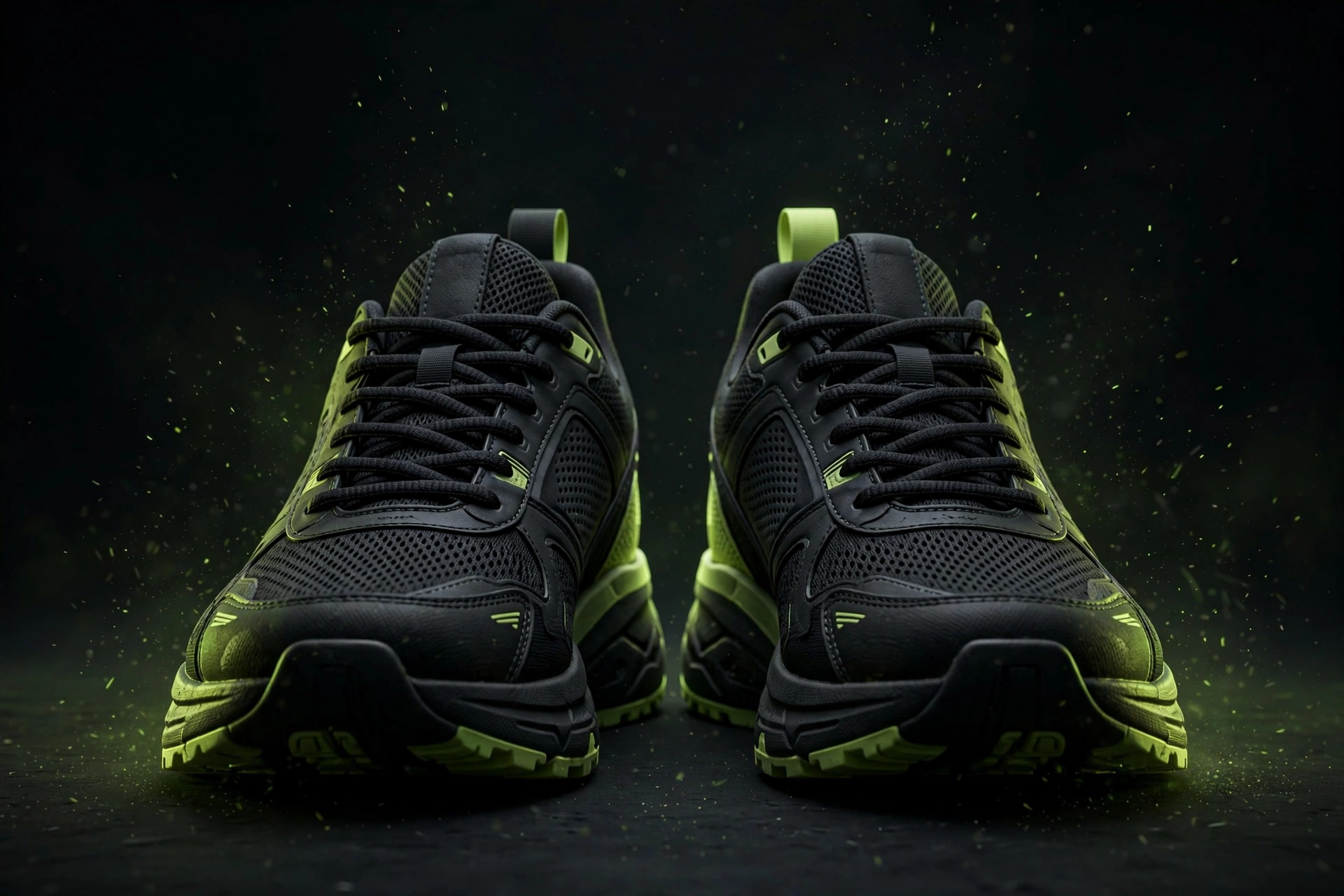
Flat soles for the platform, cushion for the treadmill — how to pick the right shoe for how you actually train.
Read the guide →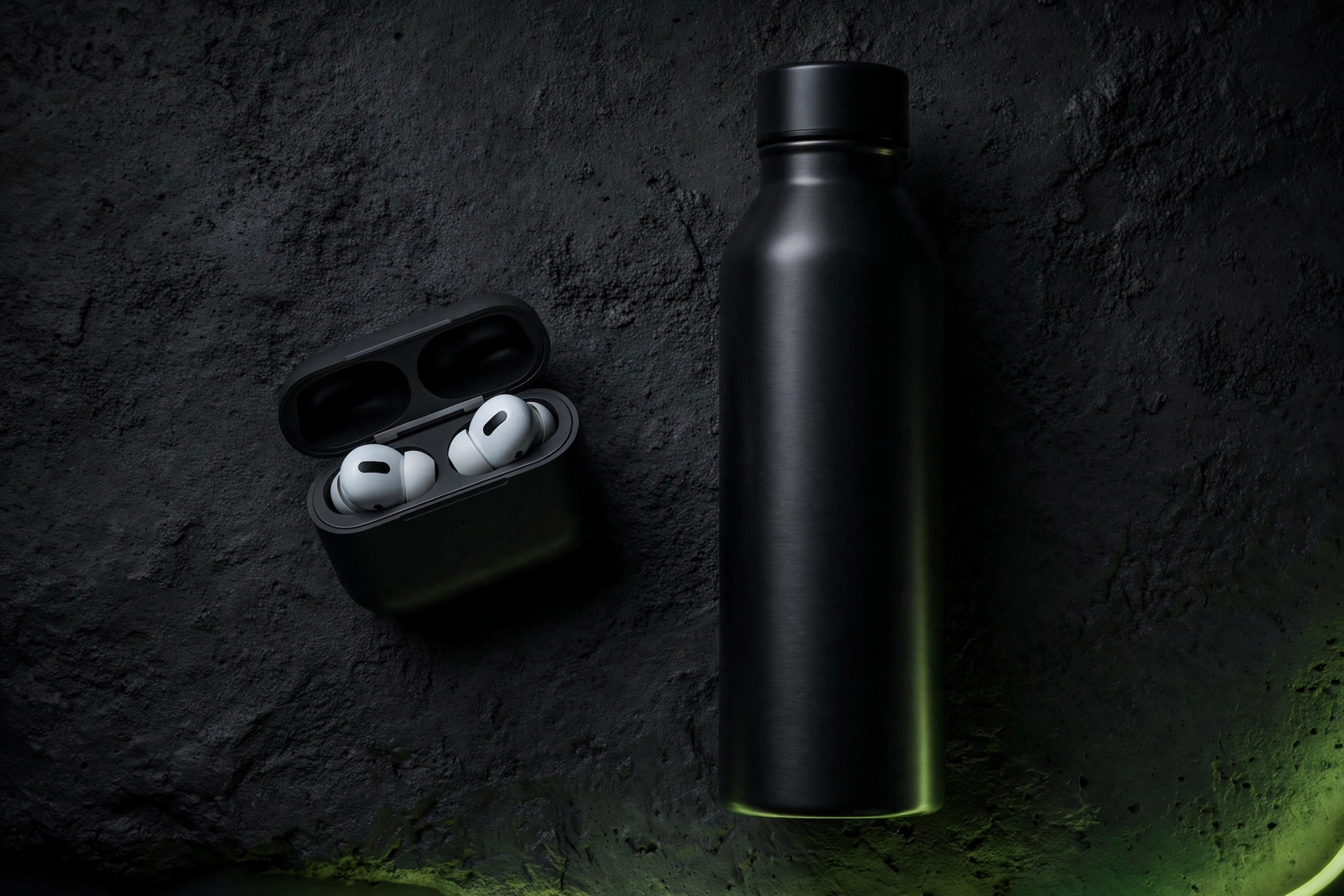
Insulated vs plastic, 24 vs 32 ounces, and the cleaning habits that keep a bottle from getting gross.
Read the guide →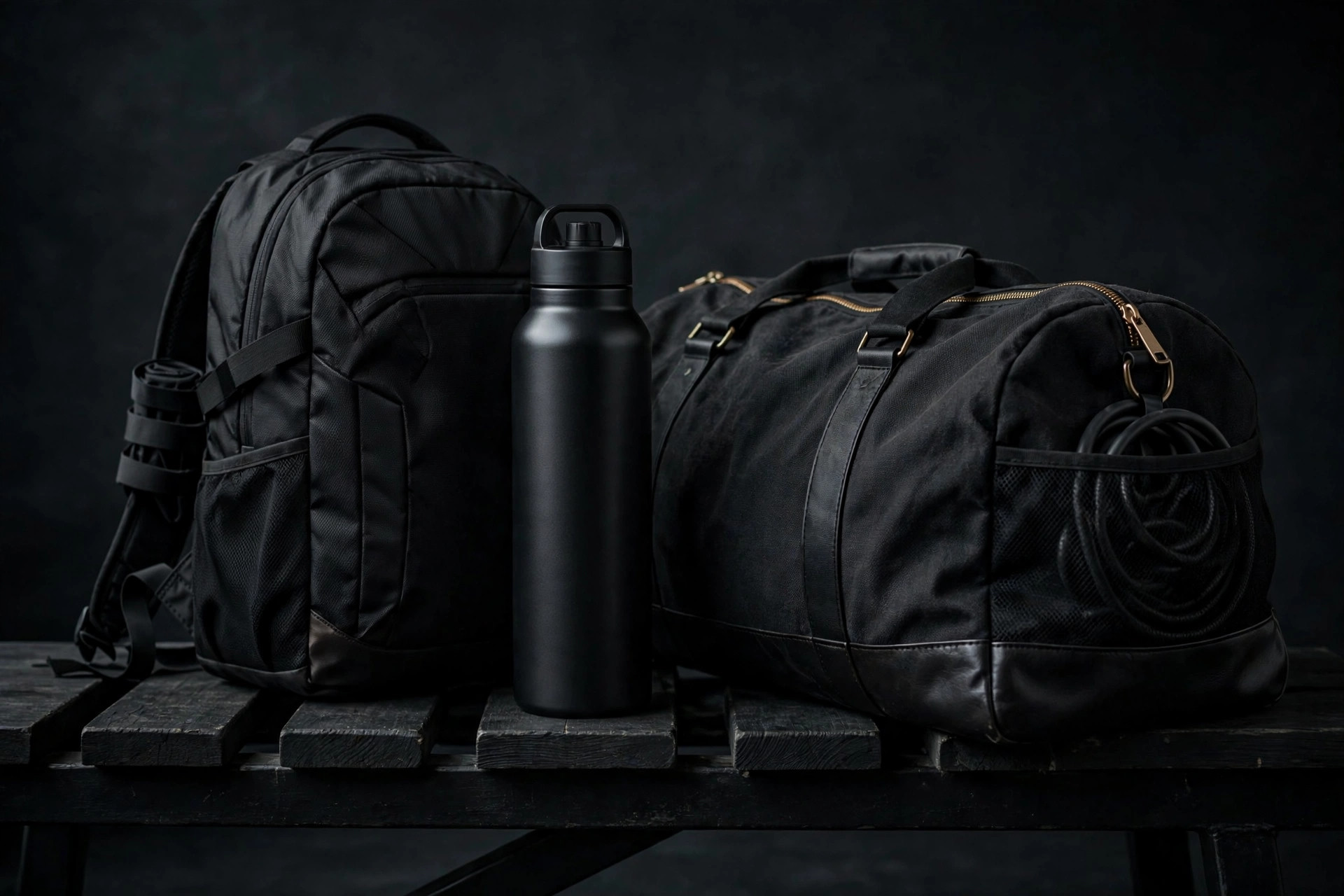
Capacity, compartments, carry comfort, and commute style — pick the bag shape that fits your routine.
Read the guide →Fit, sweat resistance, battery, and sound — what matters in earbuds that have to survive leg day.
Read the guide →Everything worth carrying and nothing you will regret — a packing system for lifters, runners, and class-goers.
Read the guide →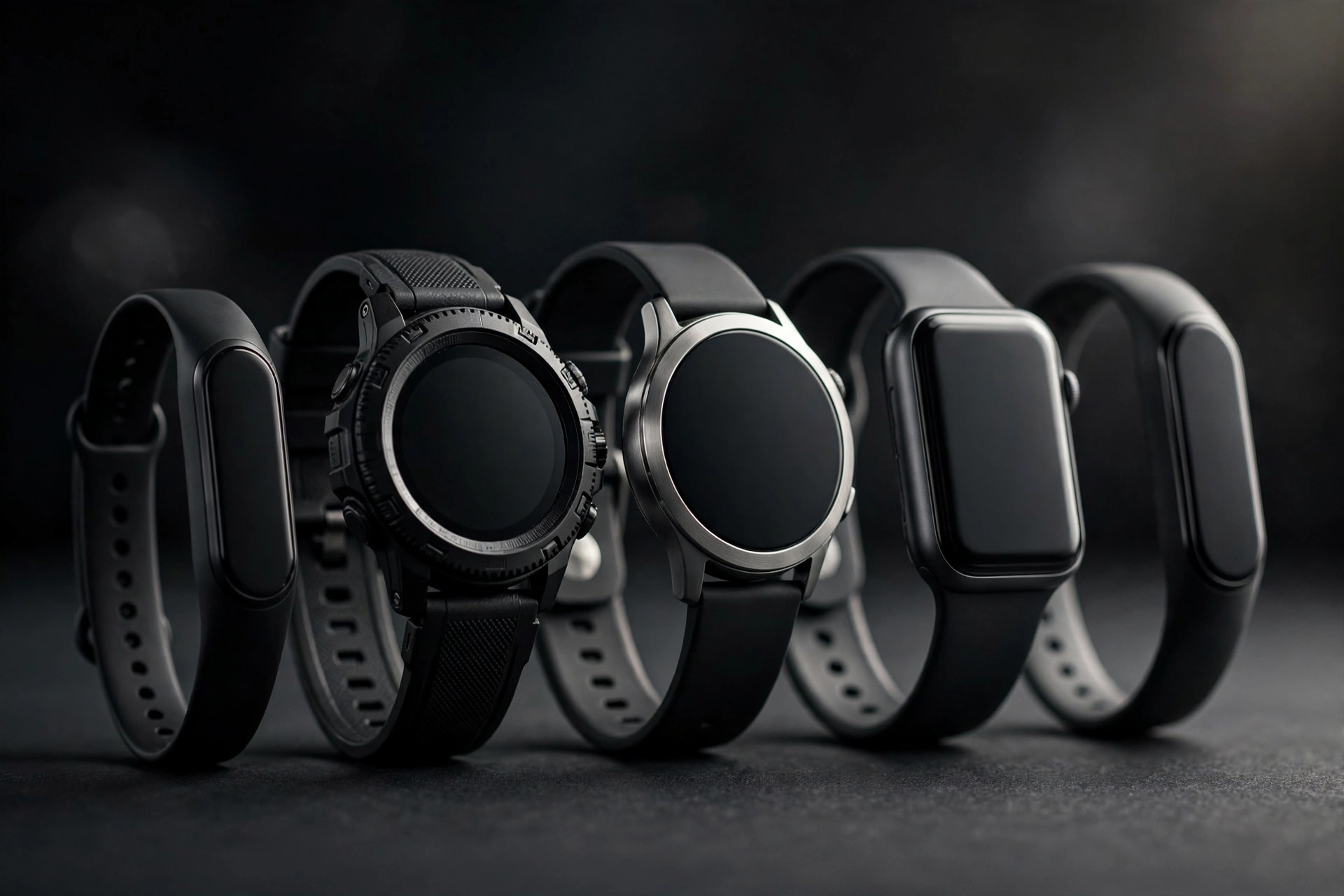
Decode the spec sheet: which sensors matter for gym training, how much battery you really need, and app lock-in traps.
Read the guide →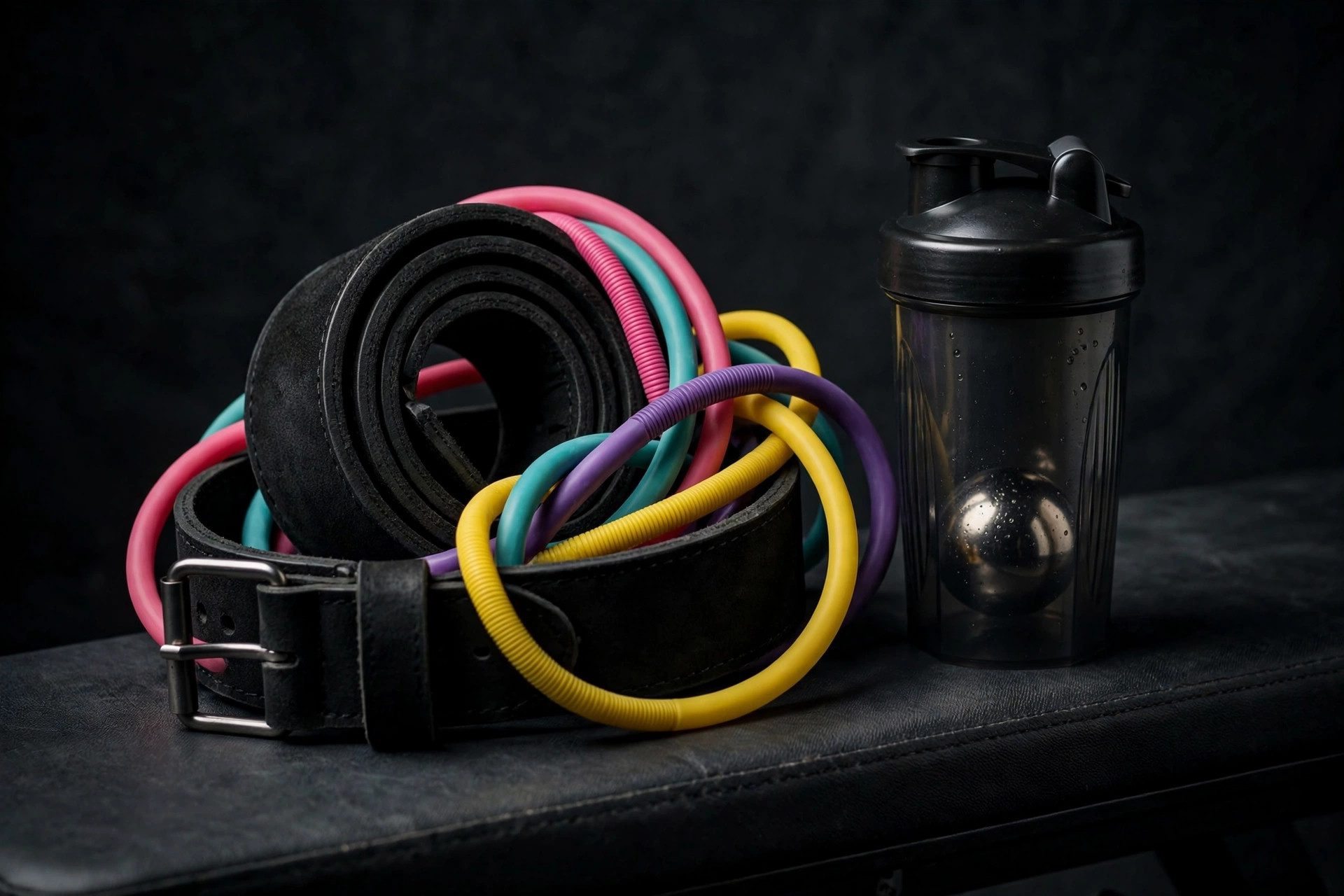
The cheap upgrades with outsized impact — bands, jump rope, shaker, and the gear to skip even at low prices.
Read the guide →When each accessory helps, when it becomes a crutch, and how to size and choose them without overthinking.
Read the guide →Washing schedules for bags, bottles, belts, and bands — plus the storage habits that double gear lifespan.
Read the guide →Toolkit
Useful picks for this niche. Train with gear that works.
Tracks heart rate, workouts, sleep, and daily activity so your training has numbers behind it. Wrist heart-rate readings get less reliable during heavy gripping and very high-intensity intervals, and calorie estimates are rough — treat them as trends, not lab results.
Sweat-resistant earbuds with a secure fit for running, lifting, and classes. Look for an IPX4 rating or better and wingtips or hooks if yours fall out easily. Touch controls can misbehave with sweaty fingers — physical buttons are a plus.
The roomy, toss-it-in option with space for shoes, clothes, and a bottle. A separate shoe compartment and a ventilated pocket for damp gear keep the rest of the bag from smelling like the locker room.
Better weight distribution for bike, walk, or transit commutes, and it doubles as a day pack. Check that it opens wide enough to find things and that the shoe garage does not eat half the main compartment.
Keeps water cold through long sessions and commutes. Double-wall vacuum insulation is the feature that matters; a straw or chug cap is personal preference. Hand-wash the lid parts regularly — that is where the grime hides.
The one-pair compromise: stable enough for moderate lifting, cushioned enough for short runs and classes. They will not replace dedicated lifting shoes or running shoes at the extremes, but they cover the middle brilliantly.
Gives your core something to brace against on heavy squats and deadlifts. A 10mm single-prong or lever belt suits most lifters; size it on your waist measured at the navel, not your pants size. It supports bracing — it does not replace it.
A full gym in a drawer: warm-ups, accessory work, stretching, and travel training. Layered latex bands outlast cheap tube sets; check for nicks before each use and keep them out of direct sun.
As an Amazon Associate, this site earns from qualifying purchases at no extra cost to you. Prices and availability can change. Read the affiliate disclosure.